Corpus Christi Blog
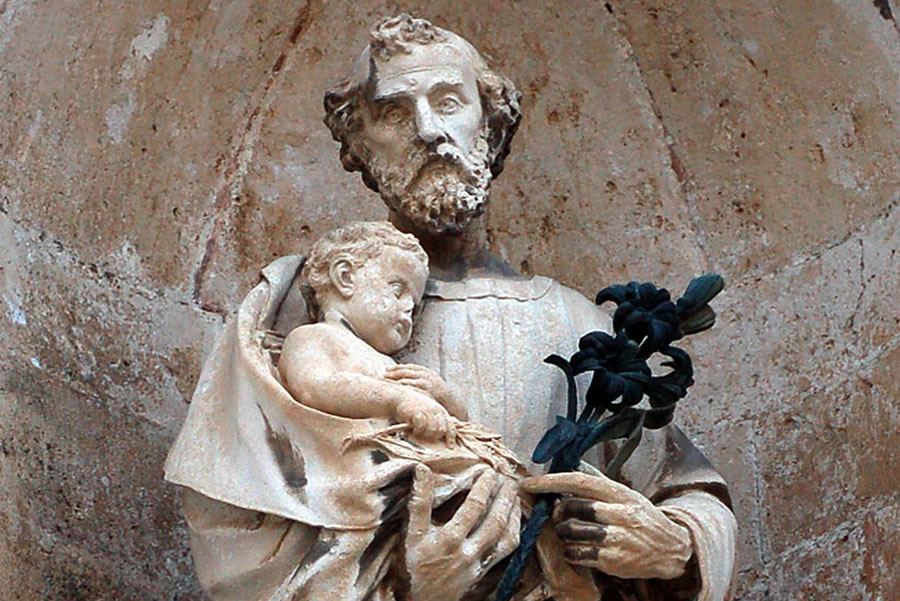
Types of Joseph
08-30-2026Weekly ReflectionJen Arnold, M.A.God uses human instruments to communicate his grace, will, and his divine plan for salvation. You’ve certainly had an experience where God has sent just the right person to you at just the right time. The same is true in Scripture. Each character throughout the Old and New Testaments plays a very specific role, leading humanity through salvation history. One extremely important biblical figure through whom God communicates deep theological insight is Jesus’ earthly father, St. Joseph. St. Joseph is particularly interesting because he is hardly mentioned in Scripture.
READ MORE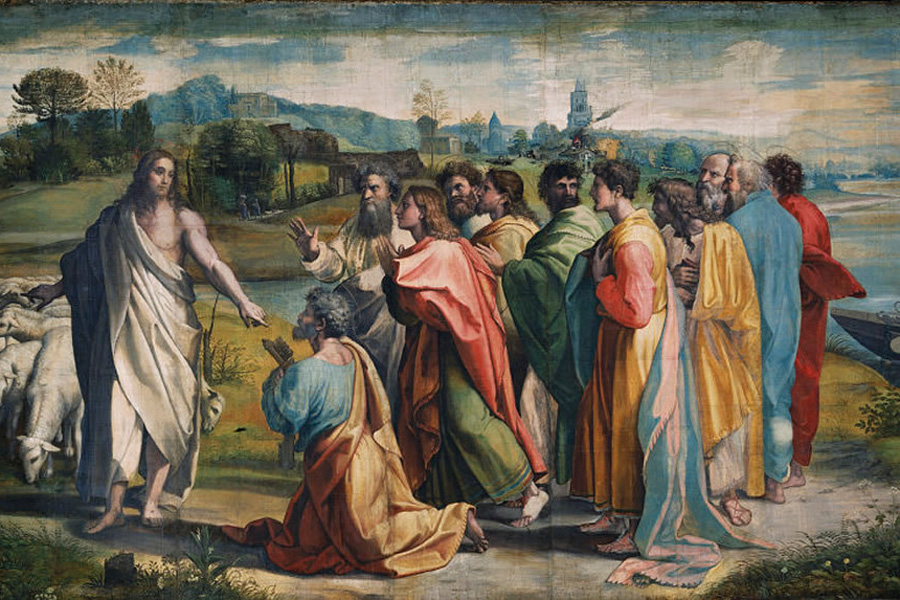
Upholding the Dignity of the Human Body Doesn’t End at Death — What the Church Teaches About Cremains & Relics
08-23-2026Weekly ReflectionJen Arnold, M.A.As Catholics, we believe in the afterlife, hope for heaven, and look forward to the resurrection of our glorified bodies at the end of time. However, despite this hopeful outlook, oftentimes many people still have trouble letting go of loved ones after they have died. You may have encountered someone who has held onto the cremated remains (cremains) of a loved one in their home, or preserved them in another form, such as a piece of jewelry; perhaps you have done this yourself. While the sentimentality of these practices is understandable, keeping the remains of our loved ones is strictly prohibited by the Church. Conversely, the Church simultaneously allows, and even encourages, the relics of canonized saints to be distributed for veneration amongst the faithful, which can create confusion about the proper disposition of cremains. Understanding the distinction between the cremains of the ordinary faithful at home and the distribution of saints’ relics for veneration is important and requires examination of Church teaching on the body, resurrection, and the unique role of the saints.
READ MORE
The Enemies of Salvation
08-16-2026Weekly ReflectionJen Arnold, M.A.Some may remember this fundamental question from part one of the old Baltimore Catechism: Why did God make you? Answer: “God made me to know Him, to love Him, and to serve Him in this world, and to be happy with Him forever in heaven.” Man was created with a purpose, and that purpose is to share in the very life of God by loving and serving him who is all love. Then, since this life on earth is transitory, our sharing in his life is intended to continue into eternity as we love and glorify him forever in heaven. The goal of reaching heaven is one every soul shares, even if someone is not necessarily aware of it. However, there are forces that would prefer we not reach that goal and actively work against us every minute of every day. We will now reflect on the enemies of our salvation – the flesh, the world, and the devil – so we can be more aware of the obstacles we face in obtaining eternal happiness.
READ MORE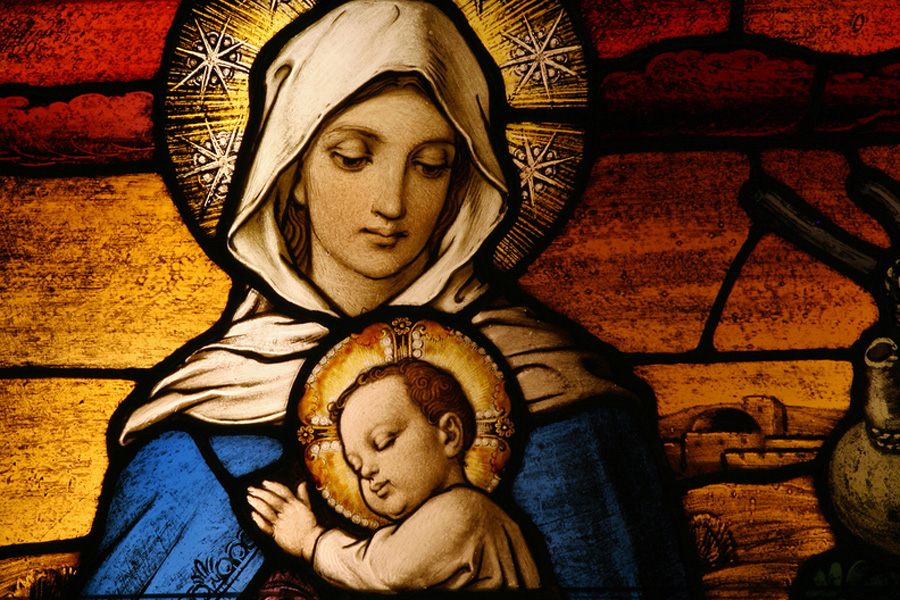
Salve Regina - Part 5
08-09-2026Weekly ReflectionJen Arnold, M.A.This is the conclusion of a five-part series in which we have been closely examining each stanza of the Salve Regina. The hymn calls upon Mary under some of her well-deserved titles, such as Queen and Mother of Mercy, by virtue of her being the mother of our King and Savior. It also petitions her under her roles as intercessor and advocate, recognizing her powerful influence with her Son. We will now look at the final two stanzas of this beautiful hymn to better understand the words we pray.
READ MORESalve Regina - Part 4
08-02-2026Weekly ReflectionJen Arnold, M.A.We are continuing a five-part series in which we are closely examining each stanza of the Salve Regina. We’ve looked at some of Mary’s well-deserved titles, such as Queen and Mother of Mercy, and at how her roles as intercessor and advocate are powerful with her Son. Now, we will reflect on the next two stanzas of the hymn to better understand what we are praying in the Salve Regina.
READ MORESalve Regina - Part 3
07-26-2026Weekly ReflectionJen Arnold, M.A.We have reached the midway point of a five-part series in which we are gaining a deeper understanding of the Salve Regina. Sometimes, we become so accustomed to saying certain prayers that we don’t stop to think about what we really mean by our words. The hymn is a prayer to Mary, imploring her under various titles and asking for her intercession. We will now move on to the next two stanzas of the hymn to better understand what we are praying for.
READ MORESalve Regina – Part 2
07-19-2026Weekly ReflectionJen Arnold, M.A.Last week, we began a five-part series in which we are dissecting the text of the Salve Regina to gain a deeper understanding of the hymn. We covered Mary’s roles as Holy Queen, Mother of Mercy, Our Life, and Our Sweetness. We will now move on to the next set of words we pray in the Salve Regina.
READ MORESalve Regina - Part 1
07-12-2026Weekly ReflectionJen Arnold, M.A.One of our most beloved Catholic Marian hymns or prayers is the Salve Regina, Latin for “Hail, Holy Queen.” This hymn, composed in Latin in the 11th century, is sung or recited as part of the Liturgy of the Hours (especially at Compline) and serves as the final prayer of the Rosary. Since its true author is unknown, its authorship is widely regarded as anonymous today. Tradition largely attributes it to Hermann of Reichenau (1013-1054), a German Benedictine monk. The Cistercians and Dominicans helped popularize the hymn in the 12th and 13th centuries, and it was officially added to the Roman Breviary by Pope Pius V in 1568. Like all Marian prayers, the Salve Regina emphasizes Mary’s various roles by virtue of her being Jesus’s mother and asking for her intercession.
READ MORETell Someone What the Lord Has Done for You
07-05-2026Weekly ReflectionFr. James Aboyi, VC, PastorDear Brothers and Sisters in Christ,
Last November and December, 187 parishioners took the time to complete the Disciple Maker Index (DMI) Survey. This survey was conducted in parishes throughout our Diocese and across the country as part of a broader effort to better understand and strengthen parish life. I would like to begin by sincerely thanking everyone who participated.
READ MORE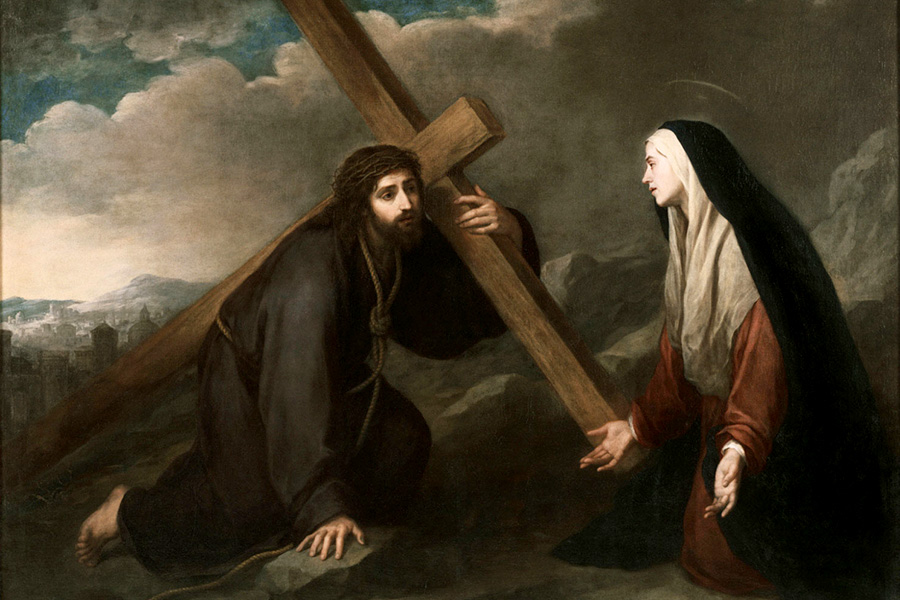
Papal Infallibility
06-28-2026Weekly ReflectionJen Arnold, M.A.Not too long ago, the cardinals of the Catholic Church elected the first pope from the United States of America, Pope Leo XIV, which was an exciting time. We waited to see what kind of pope he would be. Before that, the first pope from the Americas, Pope Francis, was elected, and before that, Pope Benedict XVI was the first pope to resign in nearly 600 years. Prior to that, Pope John Paul II was the third-longest-serving pope in the Catholic Church. Each of these popes has a distinct personality, leadership style, and spirituality.
READ MORE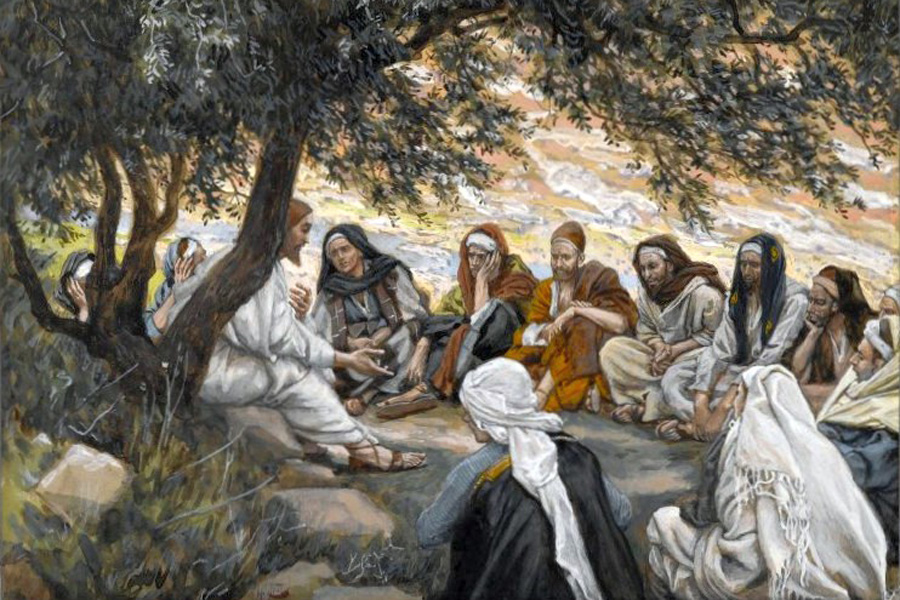
Why the Magisterium Still Matters — A Firm Foundation for an Ever-Changing World
06-21-2026Weekly ReflectionJen Arnold, M.A.When the Church was first established, with Peter as the first pope and the Apostles as the first bishops, it was under specific conditions. In the early years of the Church, the customs and rules of Christianity were still being formed. So, we see a process develop very early in the Acts of the Apostles, in which the Church would address questions as they arose over time through ecumenical councils. The first Ecumenical Council of Jerusalem in the Book of Acts (Chapter 15) can be summarized as follows:
READ MORE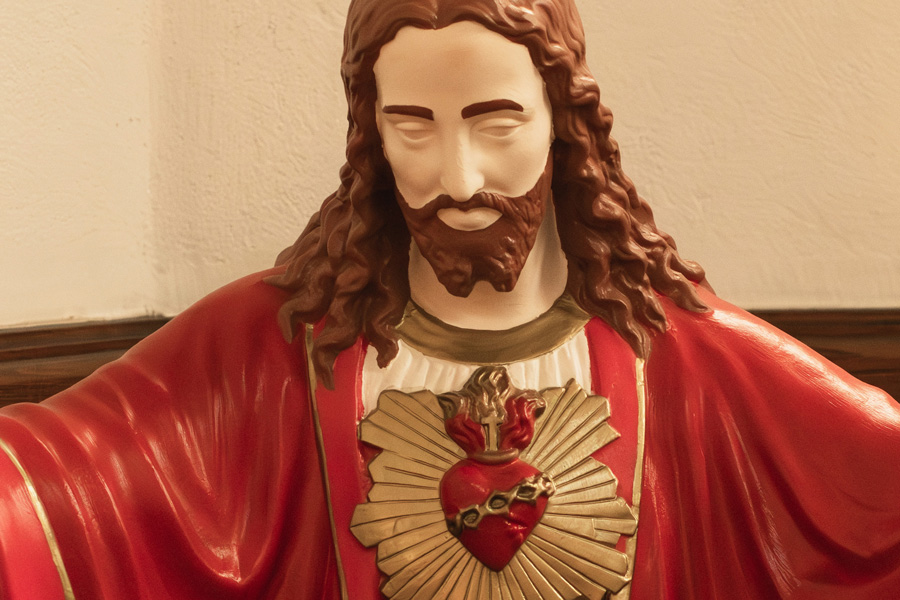
The Sacred Heart of Jesus
06-14-2026Weekly ReflectionJen Arnold, M.A.While the Solemnity of the Sacred Heart of Jesus has just passed (June 12th), the entire month of June is also dedicated to Jesus’ Sacred Heart and devotion to it is always encouraged. Therefore, we are going to explore Pope Pius XI’s call for all the faithful to renew their devotion to the Sacred Heart of Jesus in response to the expansion of sin and evil that he saw in the world at the time. We recognize now that this urgency has only increased since then.
READ MORE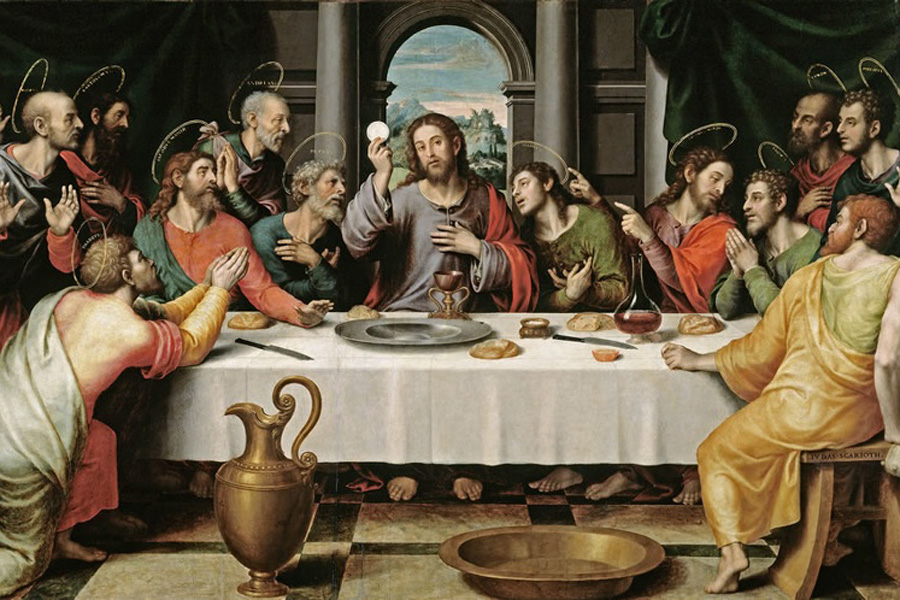
Happy Feast Day!
06-07-2026Weekly ReflectionFr. James Aboyi, VC, PastorHappy Feast Day to all our parishioners! Today, as our parish family celebrates the Solemnity of Corpus Christi, the Most Holy Body and Blood of Christ, I extend my heartfelt prayers and best wishes to every member of our community. This is a day of great joy and thanksgiving for us because we proudly bear the beautiful name Corpus Christi, which means “The Body of Christ.”
As your pastor, I cannot help but feel a deep sense of gratitude every time I say the name of our parish. It is a name that reminds us of the greatest gift Jesus left to His Church: Himself in the Holy Eucharist. It is also a name that reminds us of who we are called to be as members of His Church, the living Body of Christ in the world today.
READ MORE